
Category: History
-
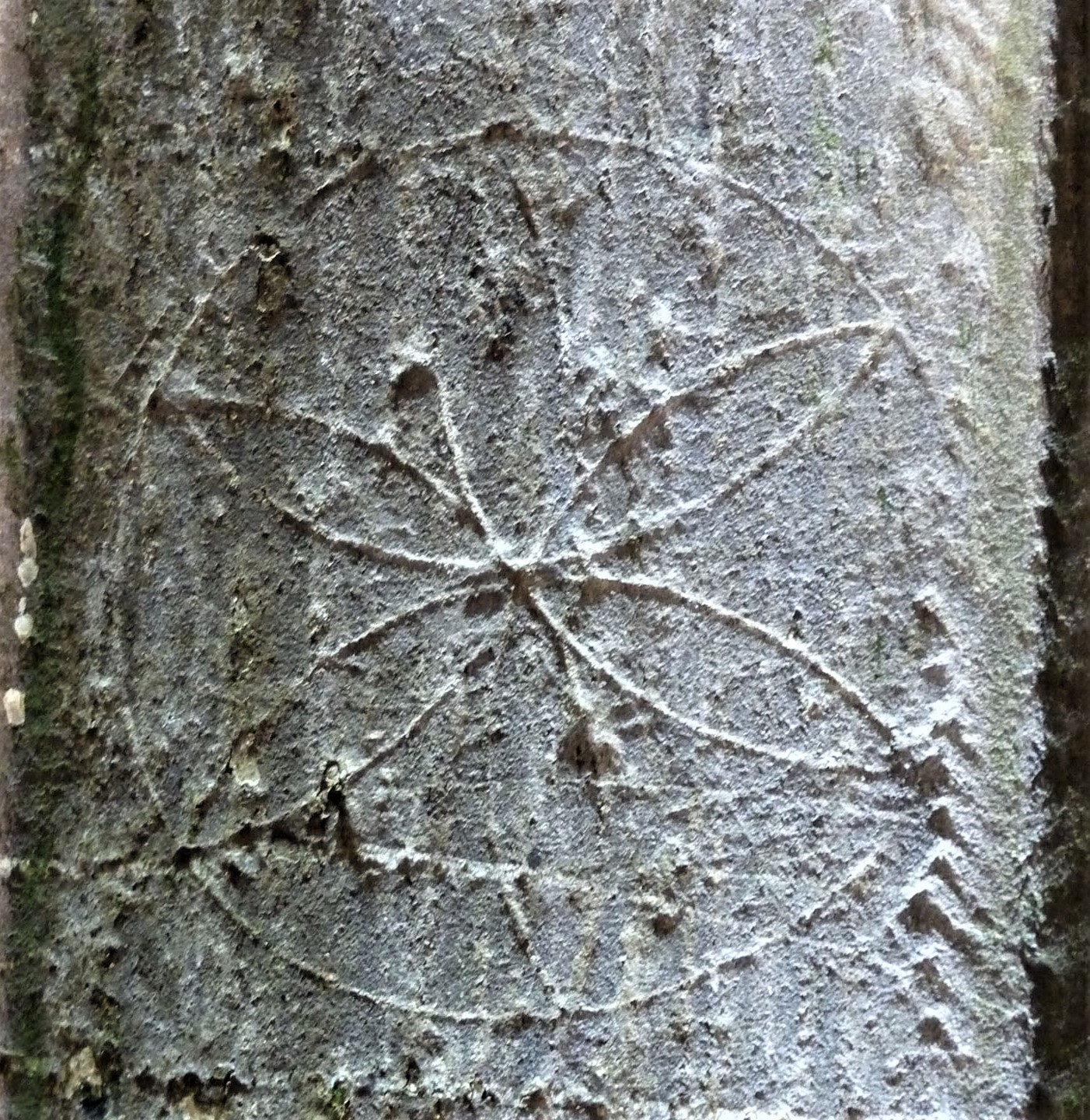
100 Objects 24: Inscribed daisy wheel. St Petrock’s Church
How many of you have noticed this “daisy wheel” inscribed into a column in St Petrock’s church? There’s also an incomplete version just above it and they would have been drawn using a compass. Daisy wheels are found fairly often in older buildings, usually near doors or windows, and it is believed that originally they…
-
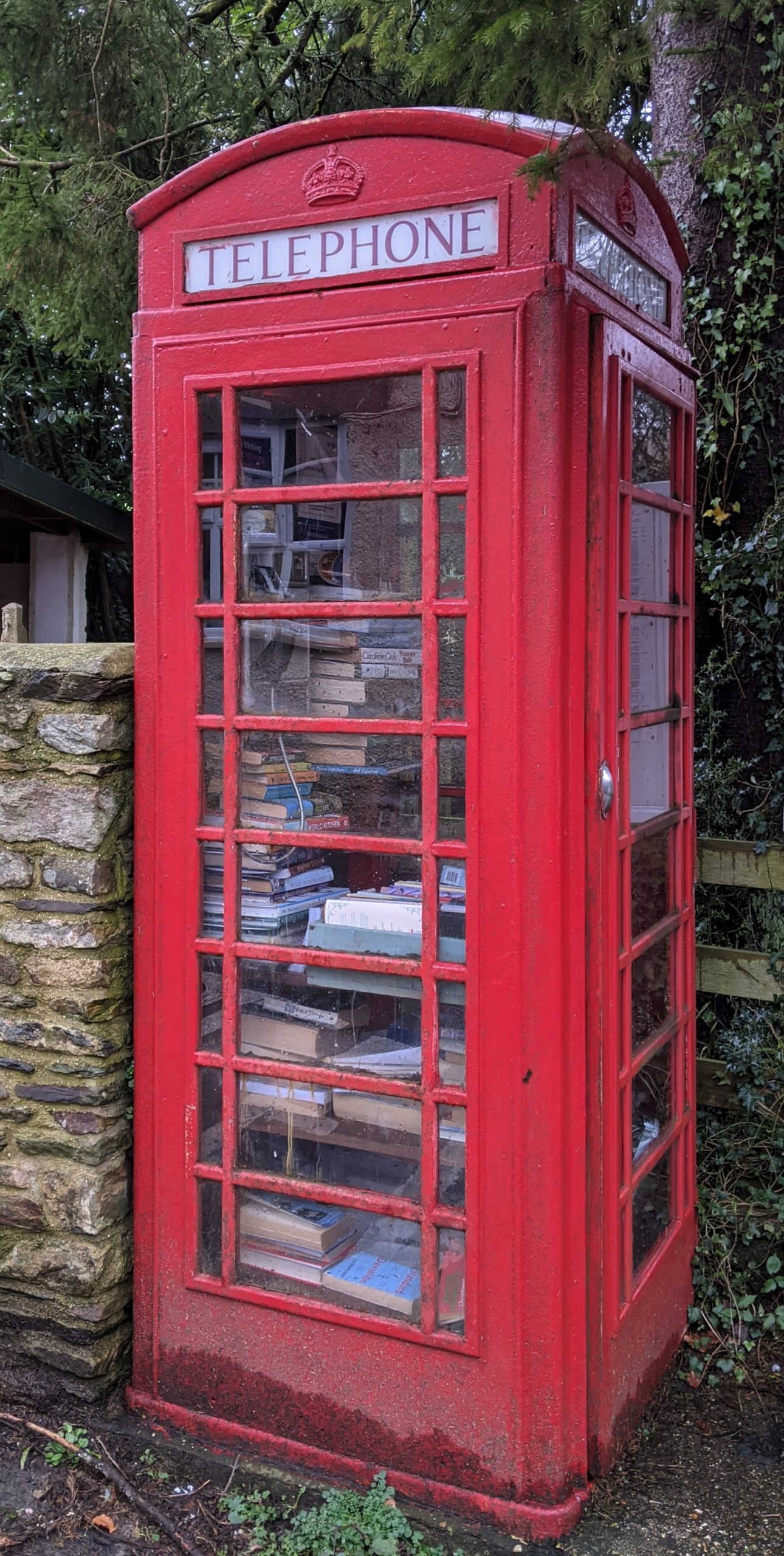
100 Objects 23: Red Phone Boxes
We have two surviving iconic red phone kiosks in Parracombe. One just above the Village Hall and the other at the junction of Church Lane and Parracombe Hill. We are currently using one as a local resource centre for sharing books, games and DVDs. Until September of 2021 the box at the junction of Church…
-
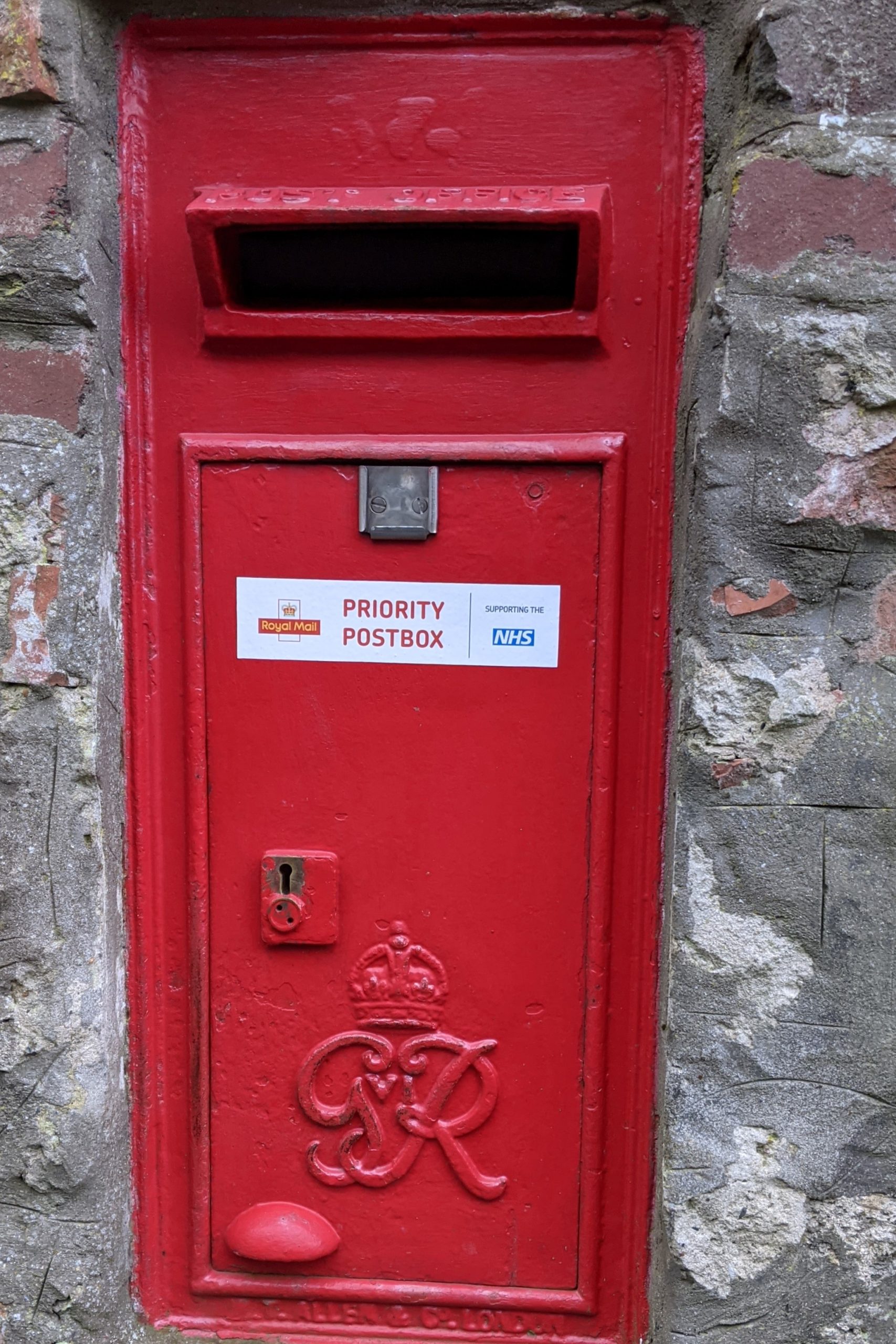
100 Objects 22: G VI R post box.
The main post box in the village is on Parracombe Hill and is set into the wall of the recently closed post office (now Sunflowers) . It has the monogram G VI R intertwined on the front, meaning that it was inserted between1936 and 1952 in the reign of George VI. It would be interesting to…
-
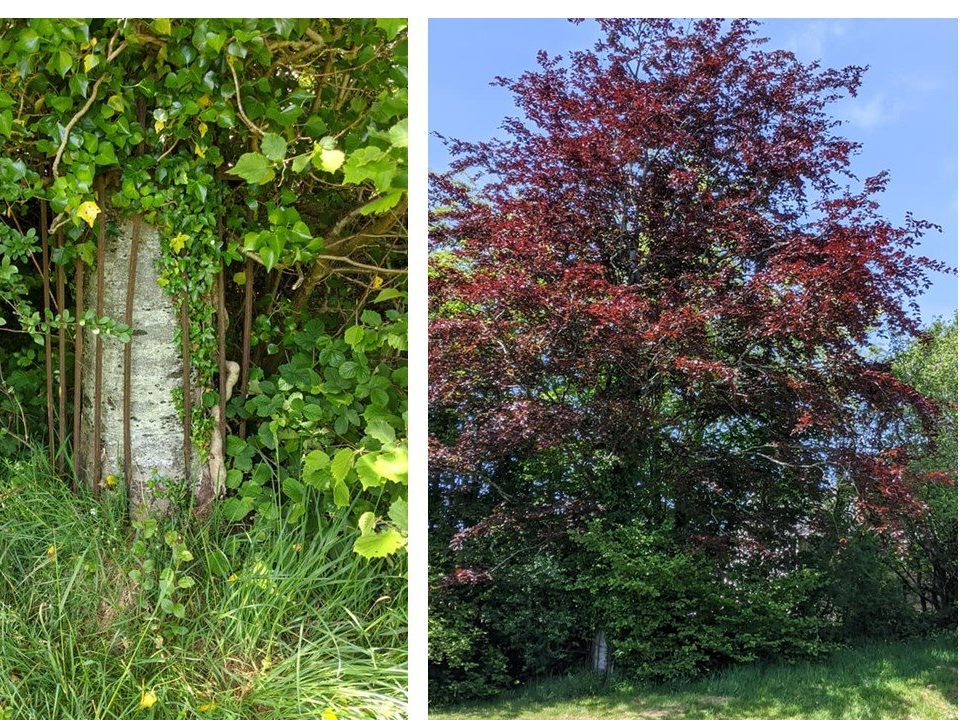
100 Objects 21: Copper Beech at the Coronation Playing Fields
Linda Tansley reports “I’ve lived there for 27 years and to my shame 2020 Lockdown was the first time I’ve noticed the tree guard around the copper beech on the roadside bank in the playing field”. The bark is now growing over the metal stakes. Paul Leworthy comments that “the tree was planted to commemorate…
-
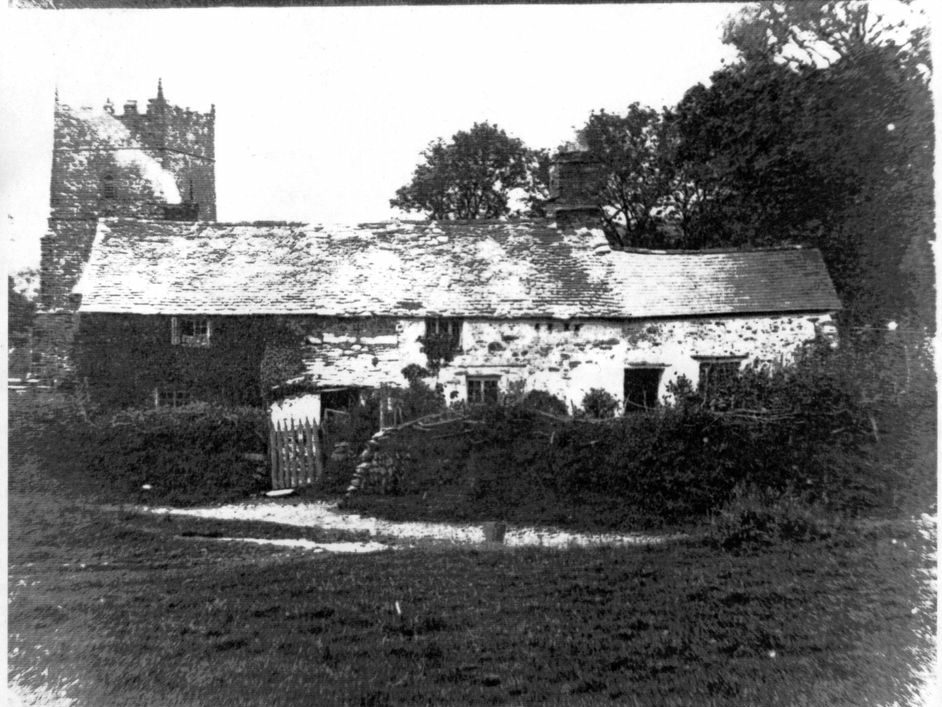
100 Objects 20: Church House
Harry Harrison reports on Church House “To the best of my knowledge, (and inspired by Emma Tucker …………). In the late medieval period, it became fashionable to place pews in churches, which meant churches could no longer be used for purposes other than worship. This led to the building of ‘Church Houses’ to hold events…
-
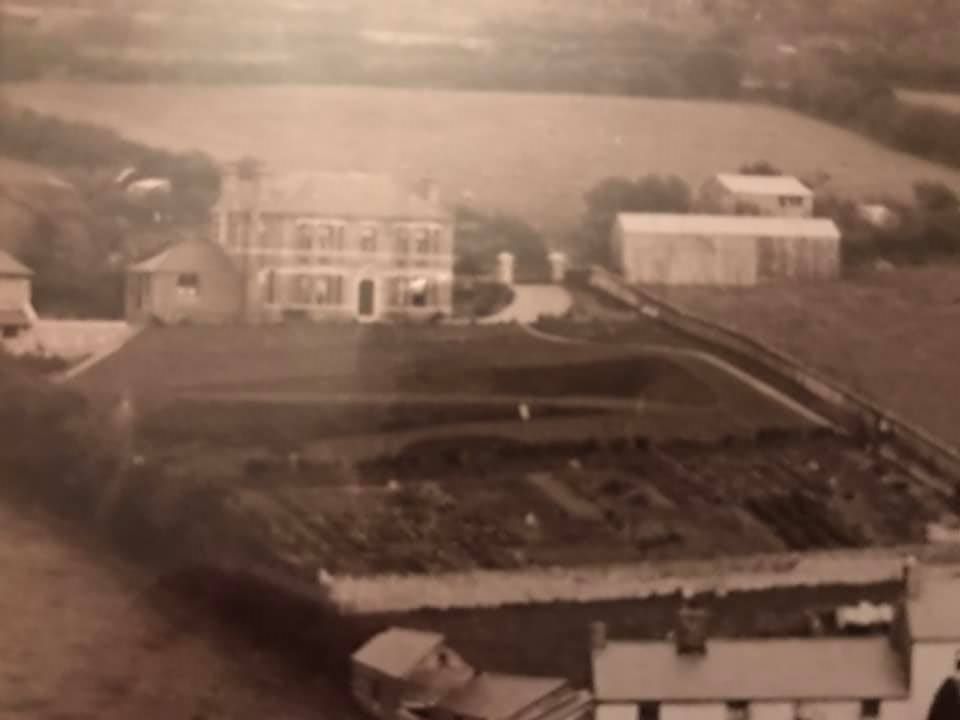
100 Objects 19: Pimbury
Emma Tucker writes “On the 1st June 1995 we collected the keys for Pimbury. It was an amazing opportunity but needed far more work than we anticipated. We’ve loved it – well most of it anyway! We’re very proud to have been able to bring up our children here. Pimbury was built in 1904 by…
-
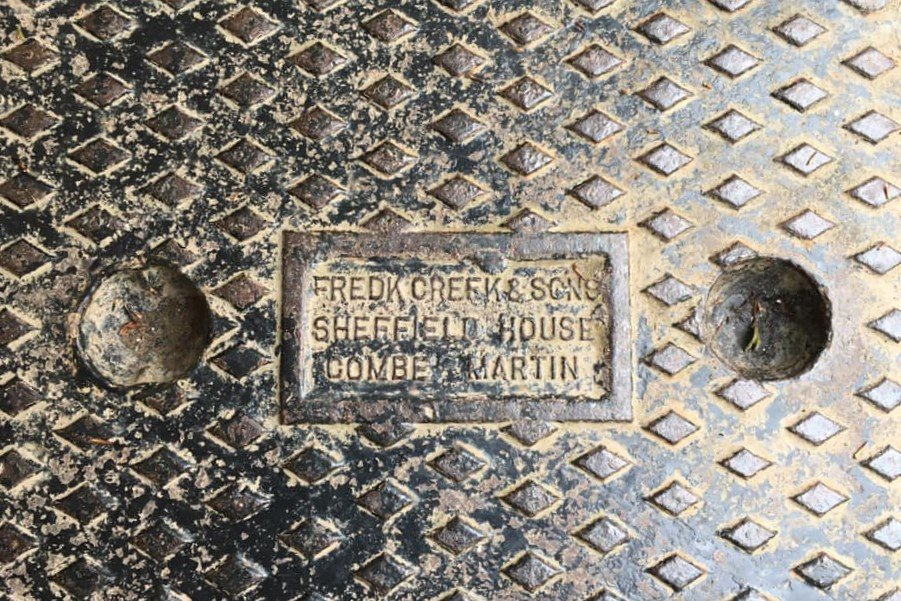
100 Objects 17, 18: Drain Covers
Next we have a pair of cast iron drain covers, the first from Karen Farrington, proclaiming Fredk Creek and sons Sheffied House, Combe Martin, and the second from Steve Cheetham and is stamped J Irwin also of Combe Martin. There was a lot of interest when these pictures were posted and comments included mention a…
-
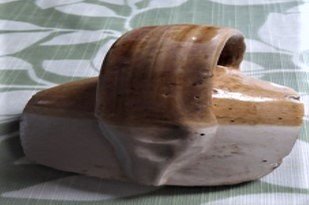
100 Objects 24: Handle from flagon
Another find from Bodley, reported by Kate Cox, is this jar handle probably from a cider flagon. Kate visualised a bleary old boy swigging at his cider in the sunshine and notes indentations that might be the potters finger prints. Like object 16 this is a stoneware vessel. Stonewares were made in Britain from the…
-
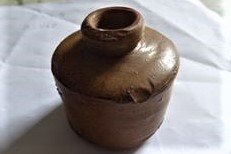
100 Objects 16: Ink bottle
Kate Cox has found a small collection of broken bottles and pottery from hedge-bottoms at Bodley including this little ink bottle which she hit with a pick axe Kate asked if the inkbottle was likely to have been made in Barnstaple. However the fact that, despite her best attempts, it withstood the pickaxe suggests that…
-
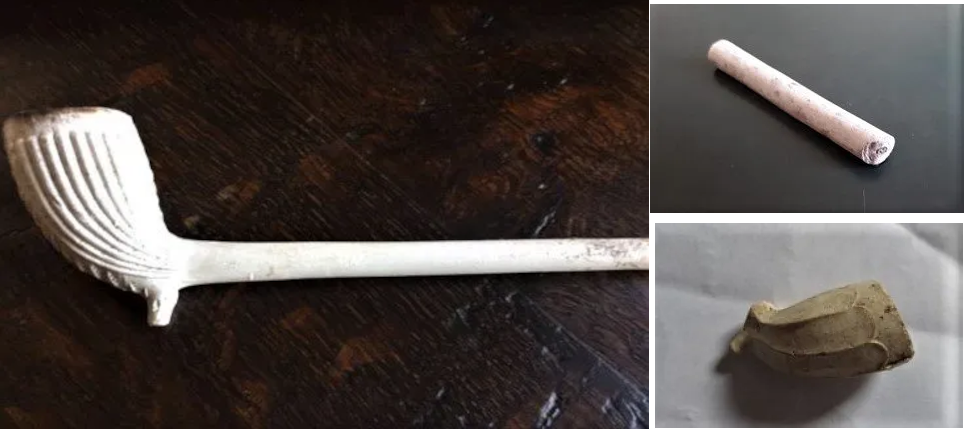
100 Objects 13,14,15: Clay Pipes
Jaye Jones at Highfield House found this fragment of a clay tobacco pipe (first of the images below) “A piece of clay pipe found under our hazel hedge. I expect there are many more pieces around the village, but I love the image of somebody working in the coppice then sitting down to have a…